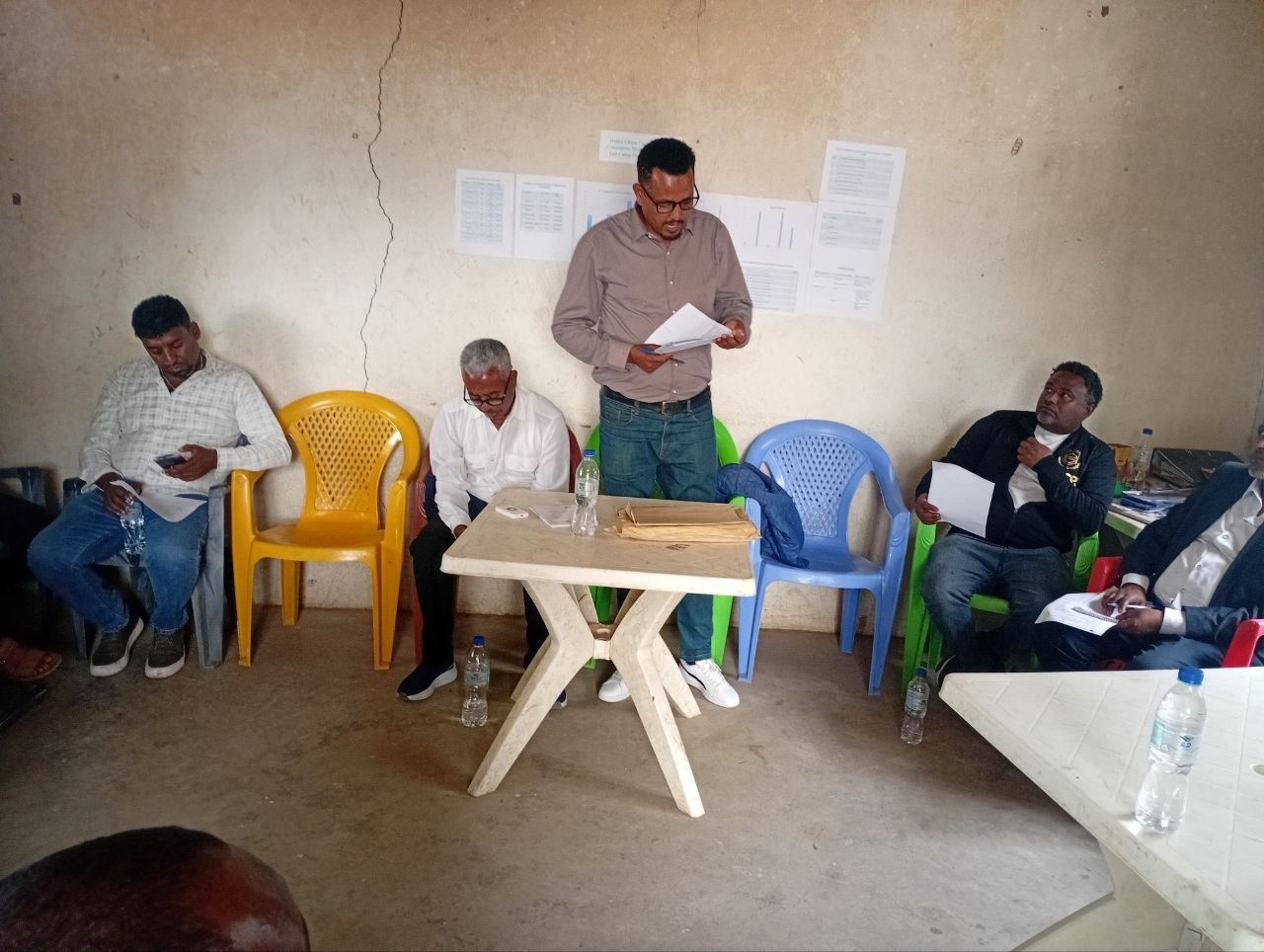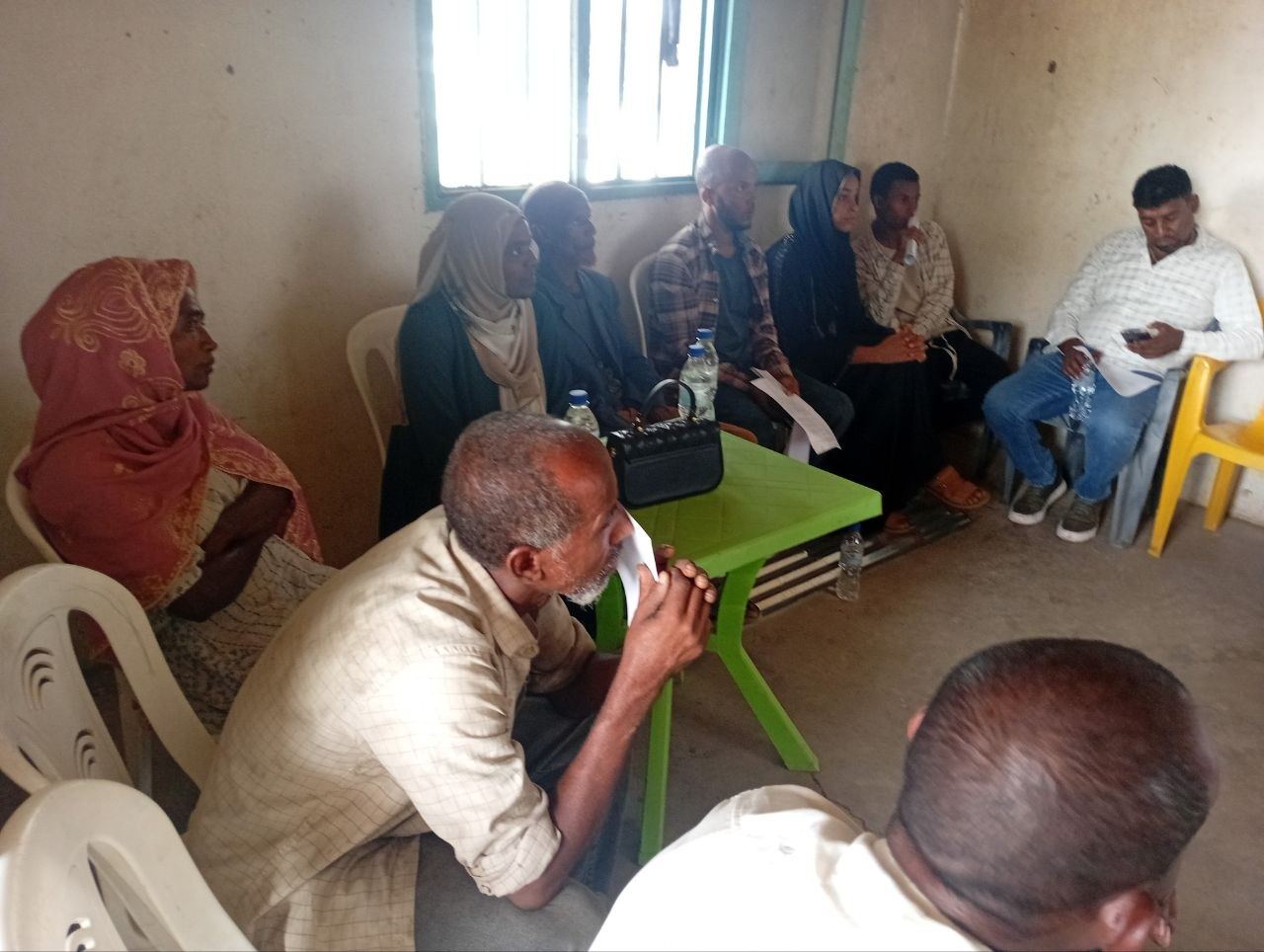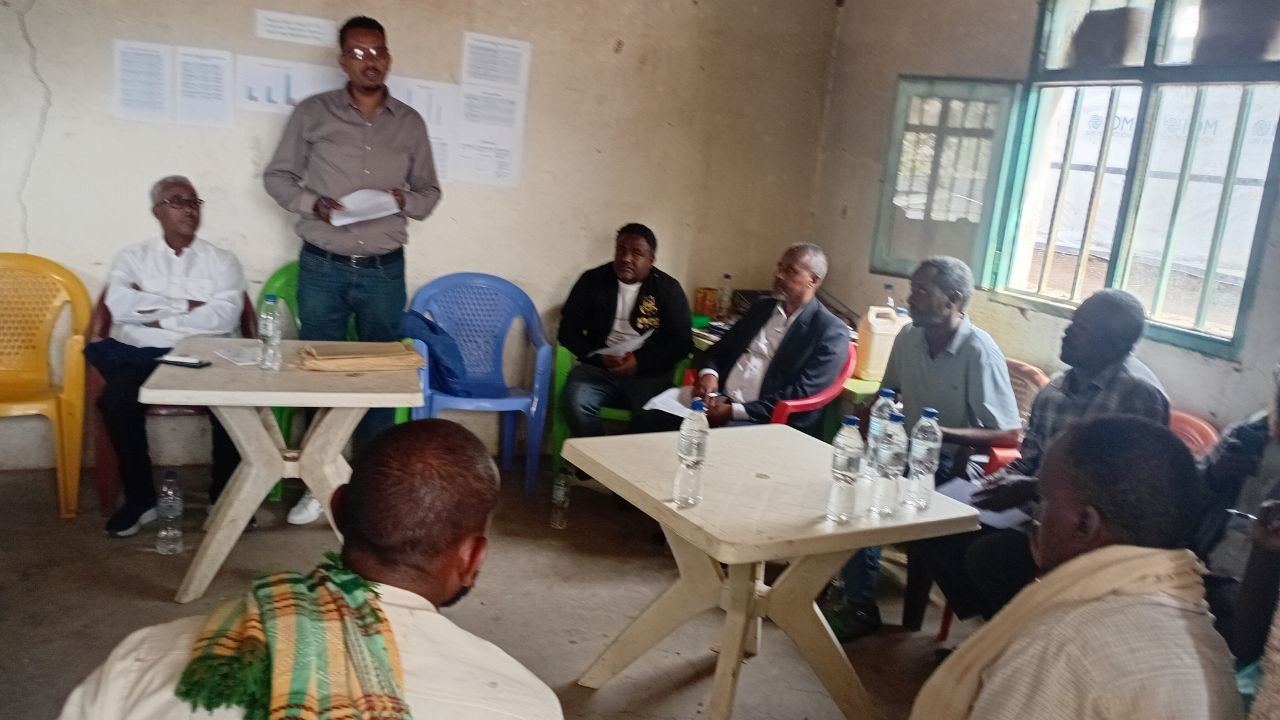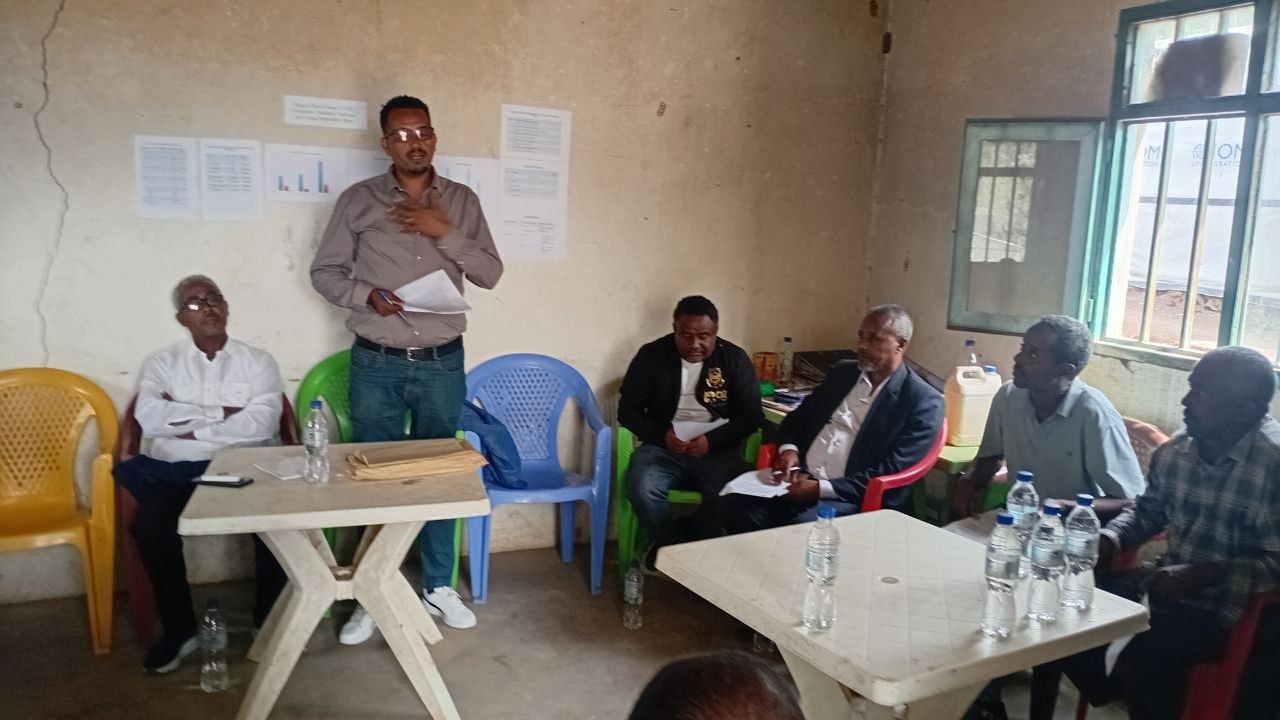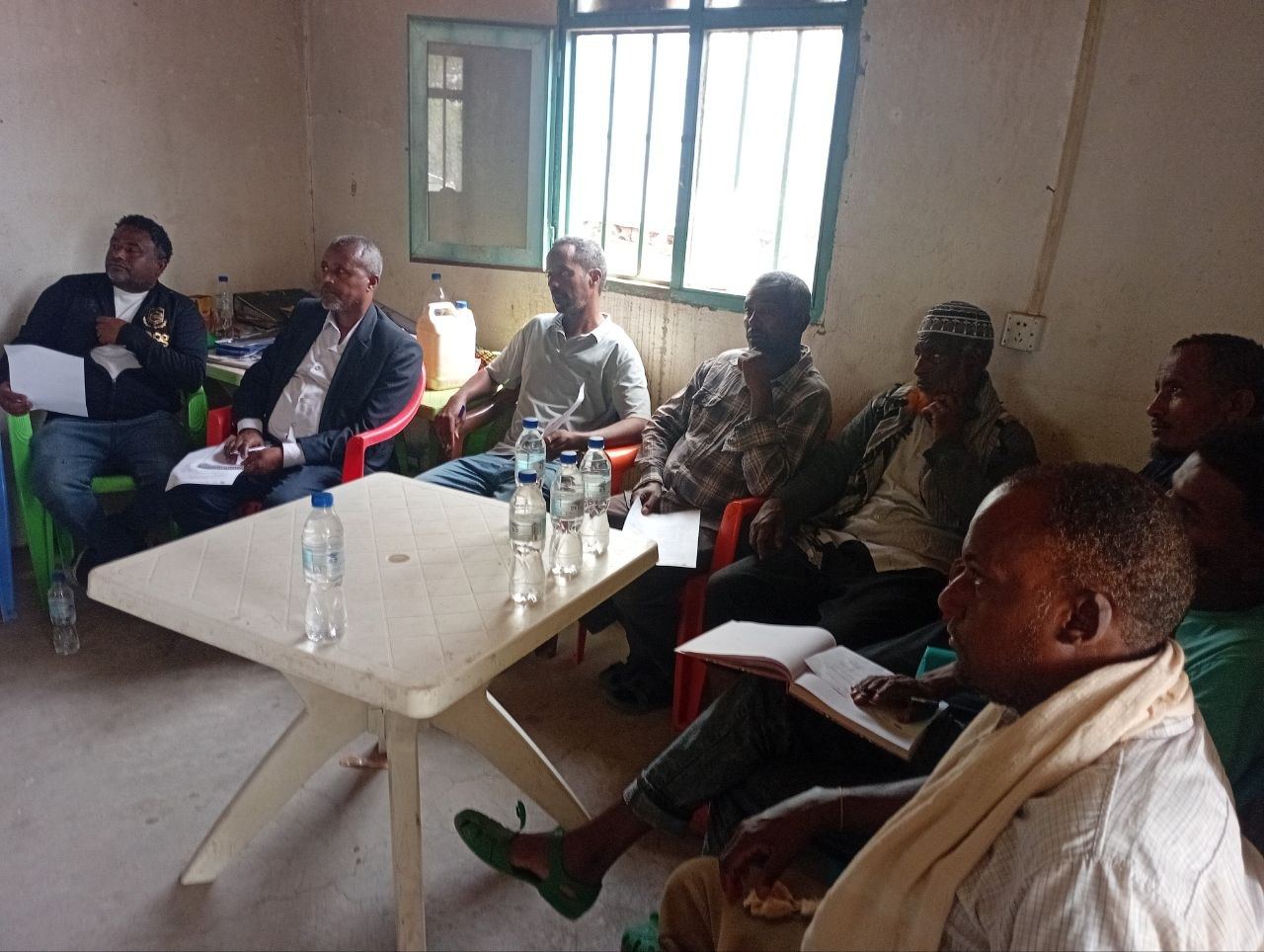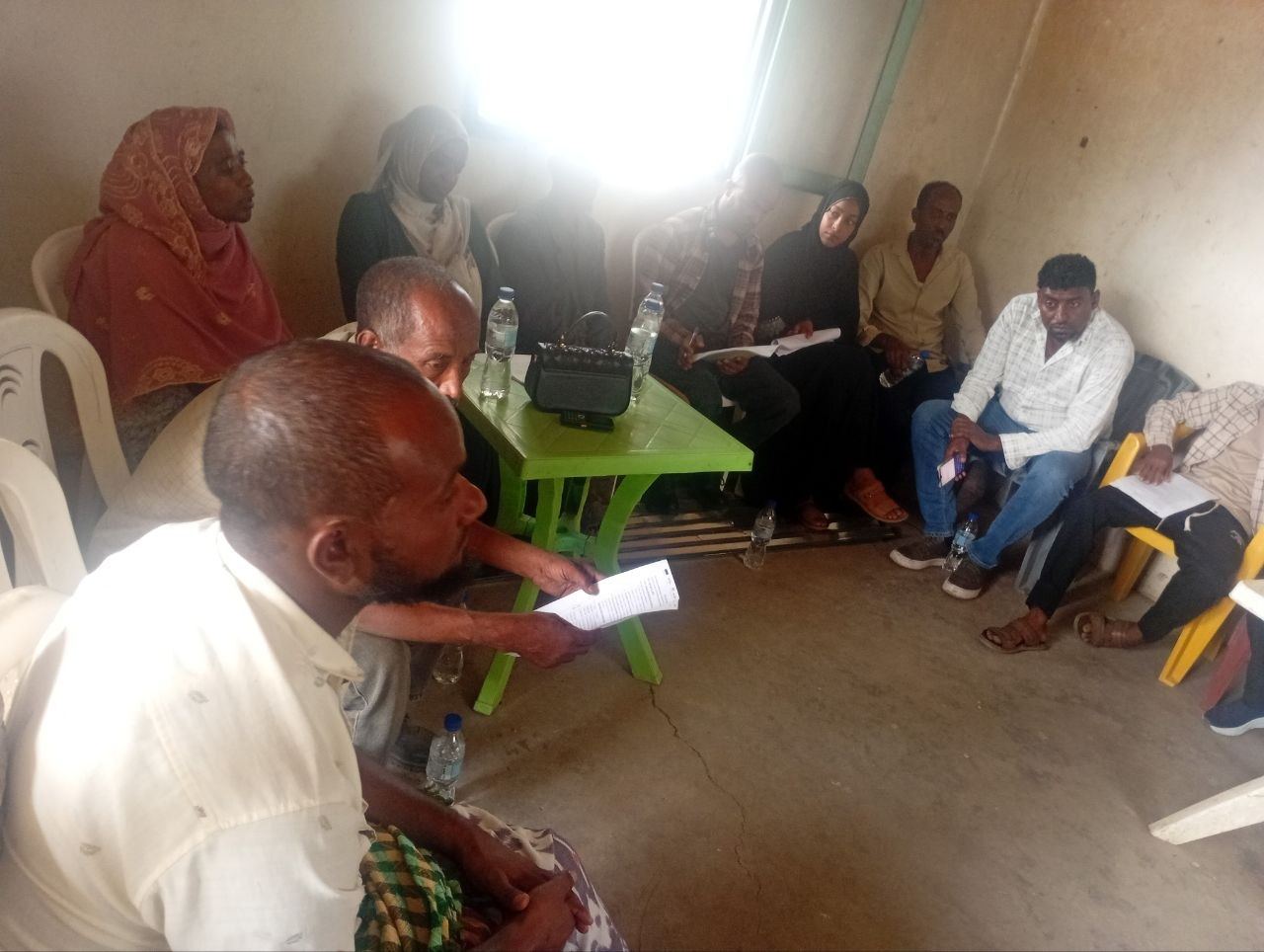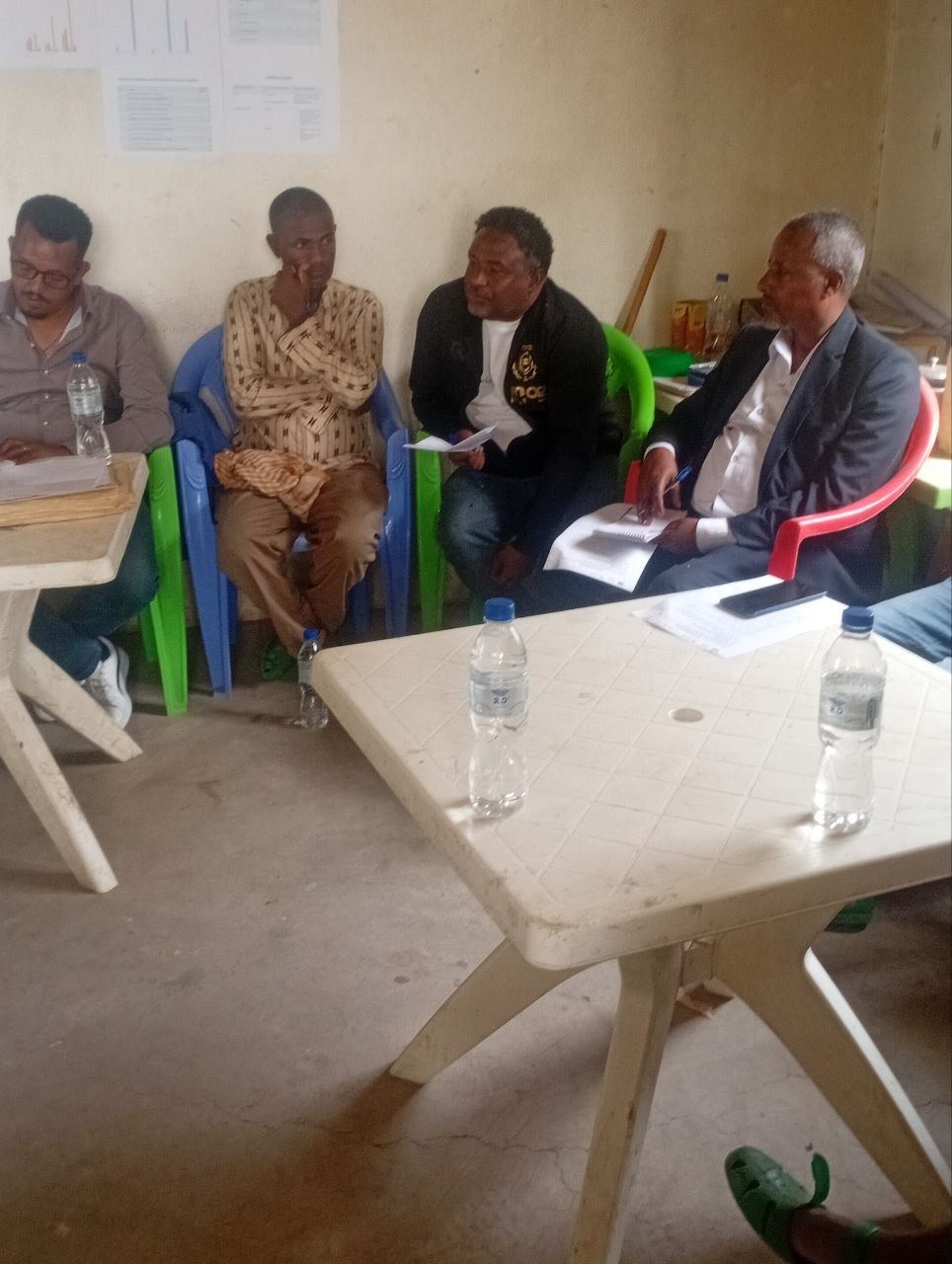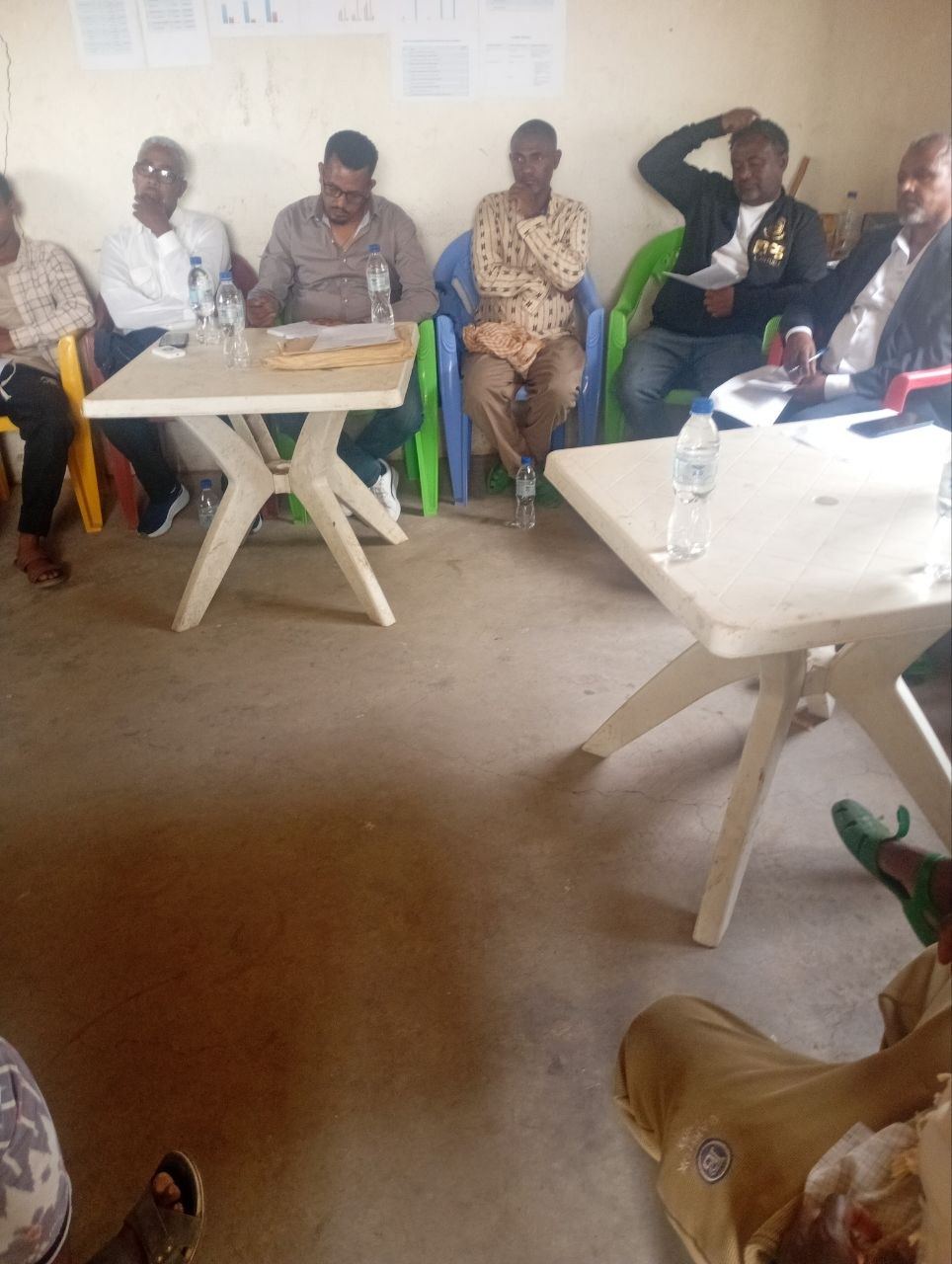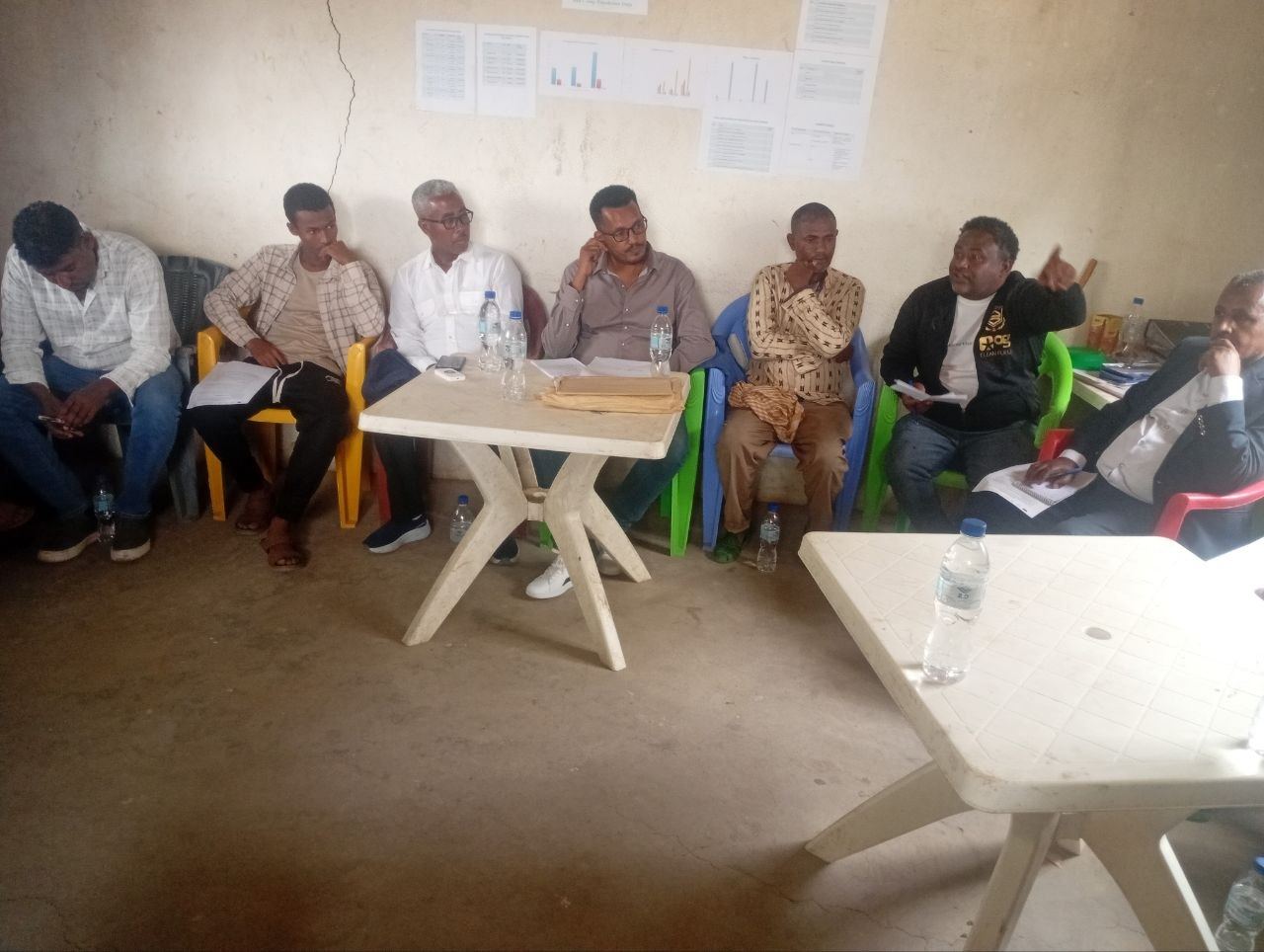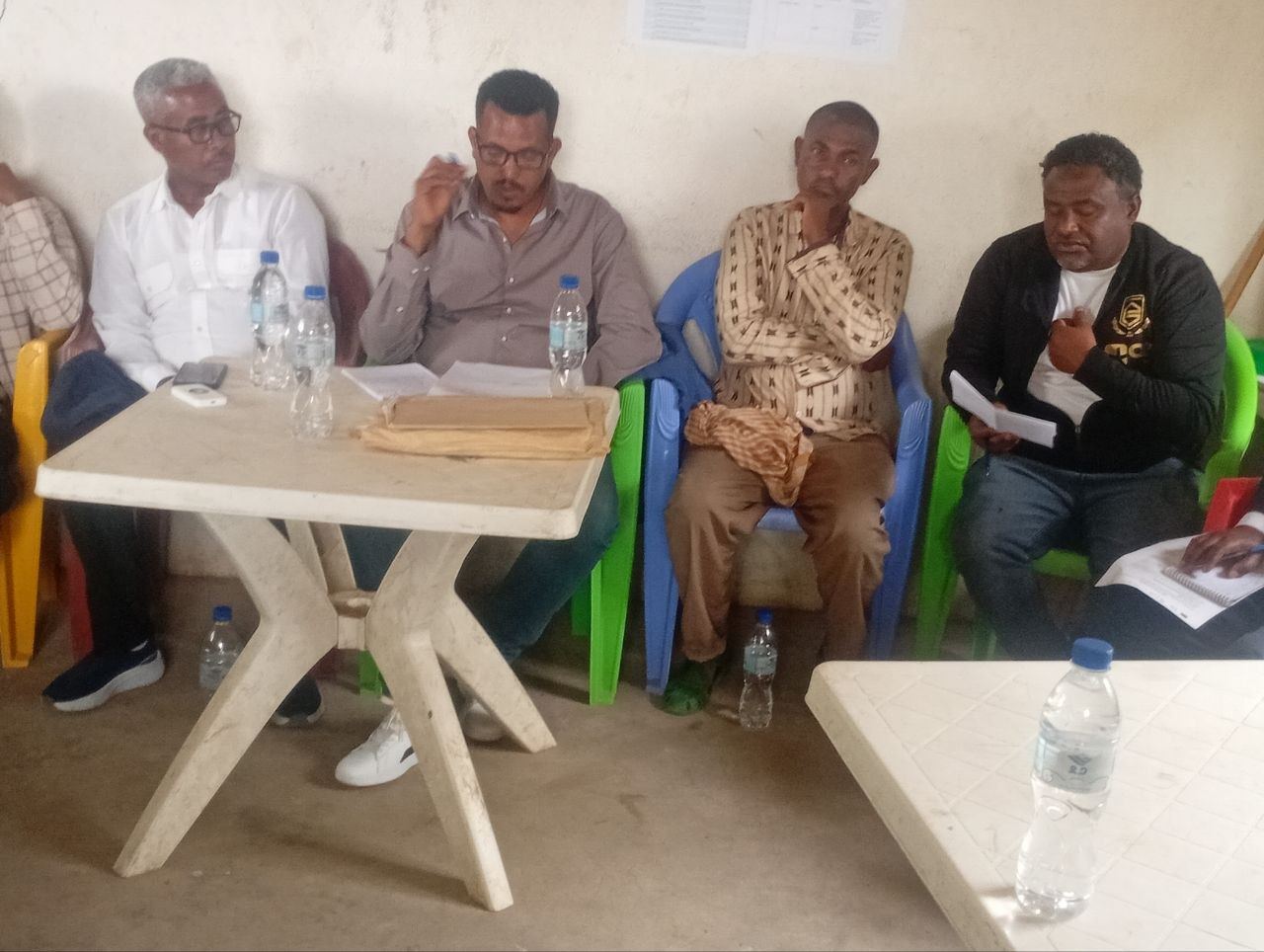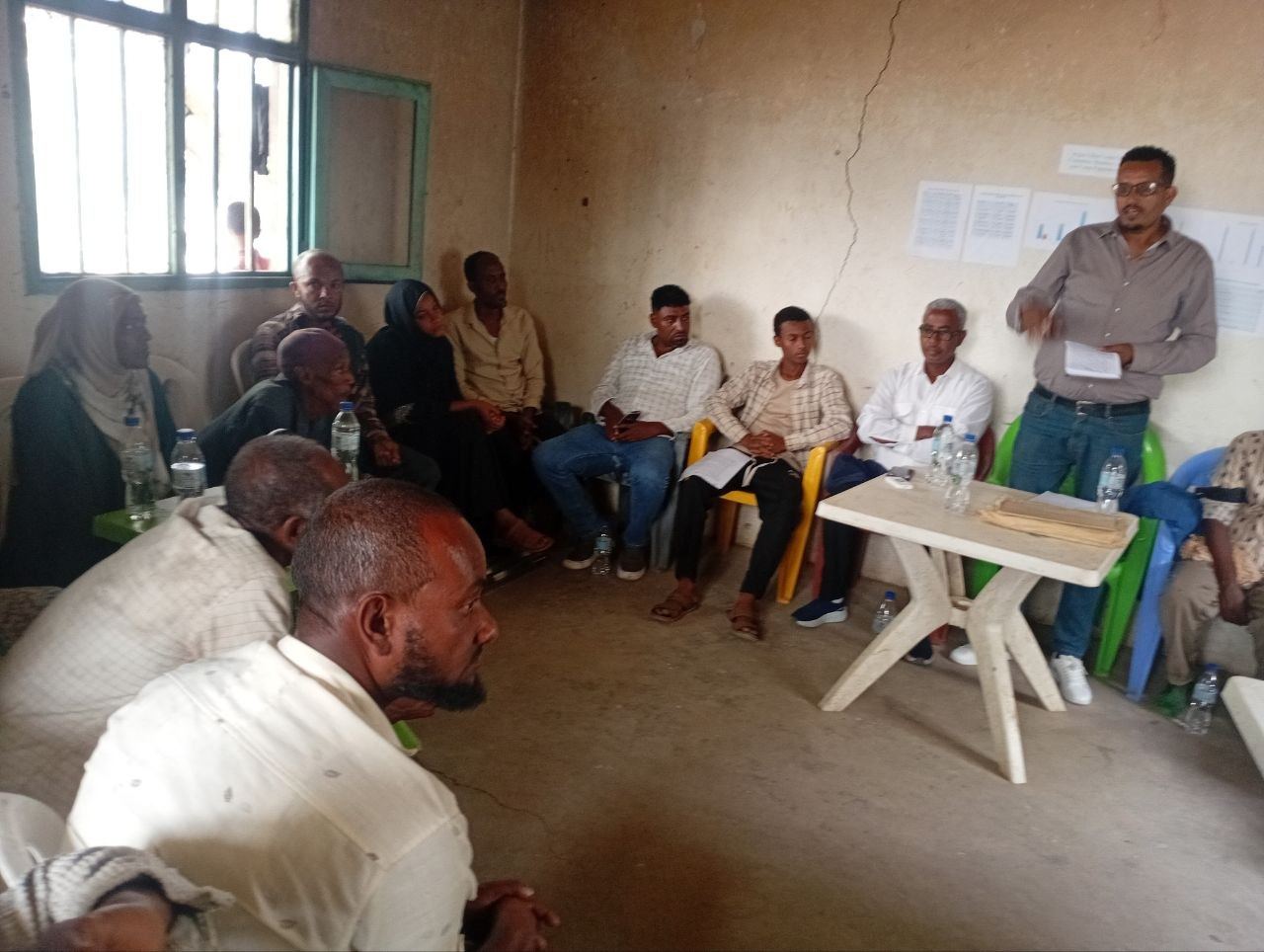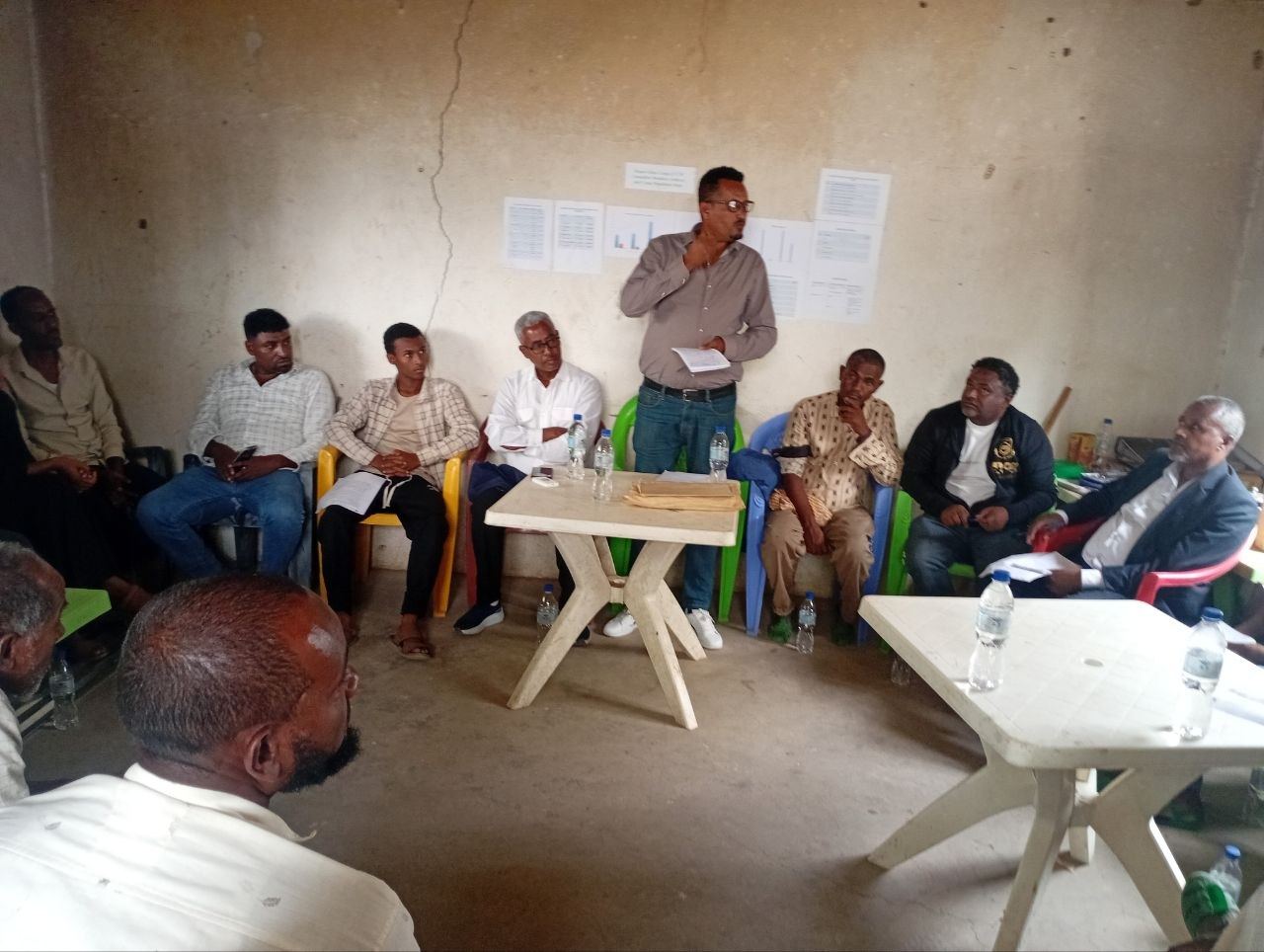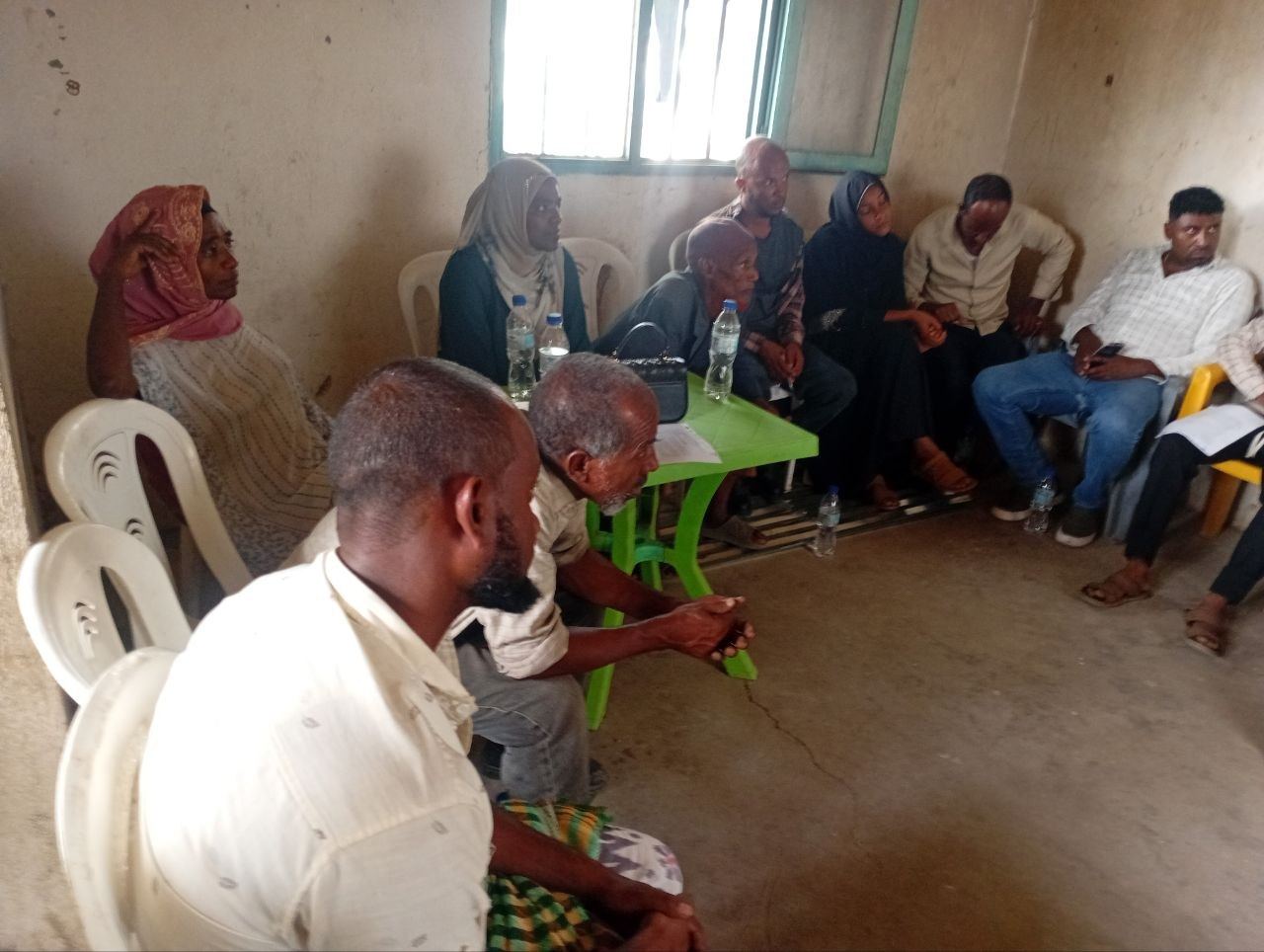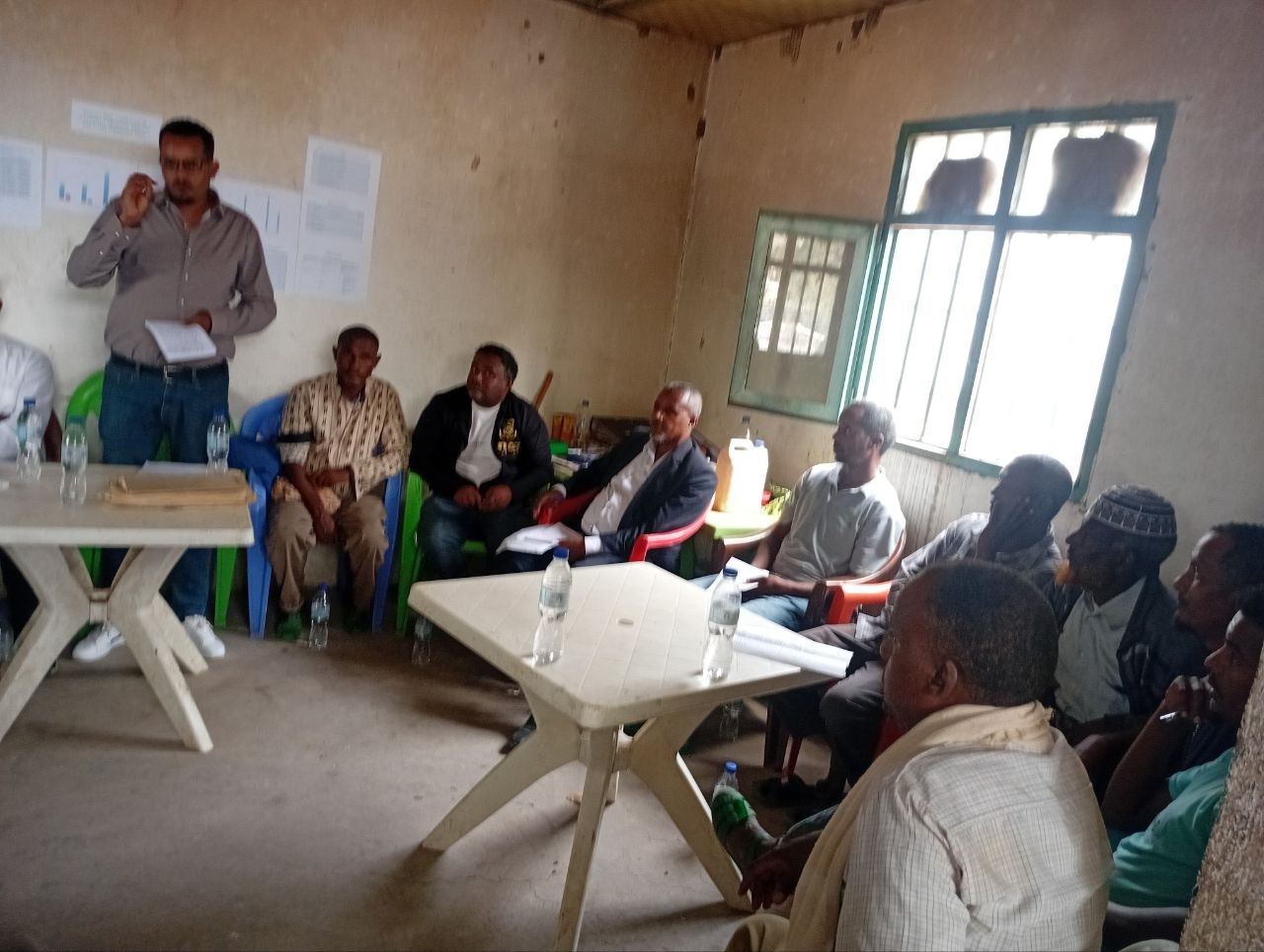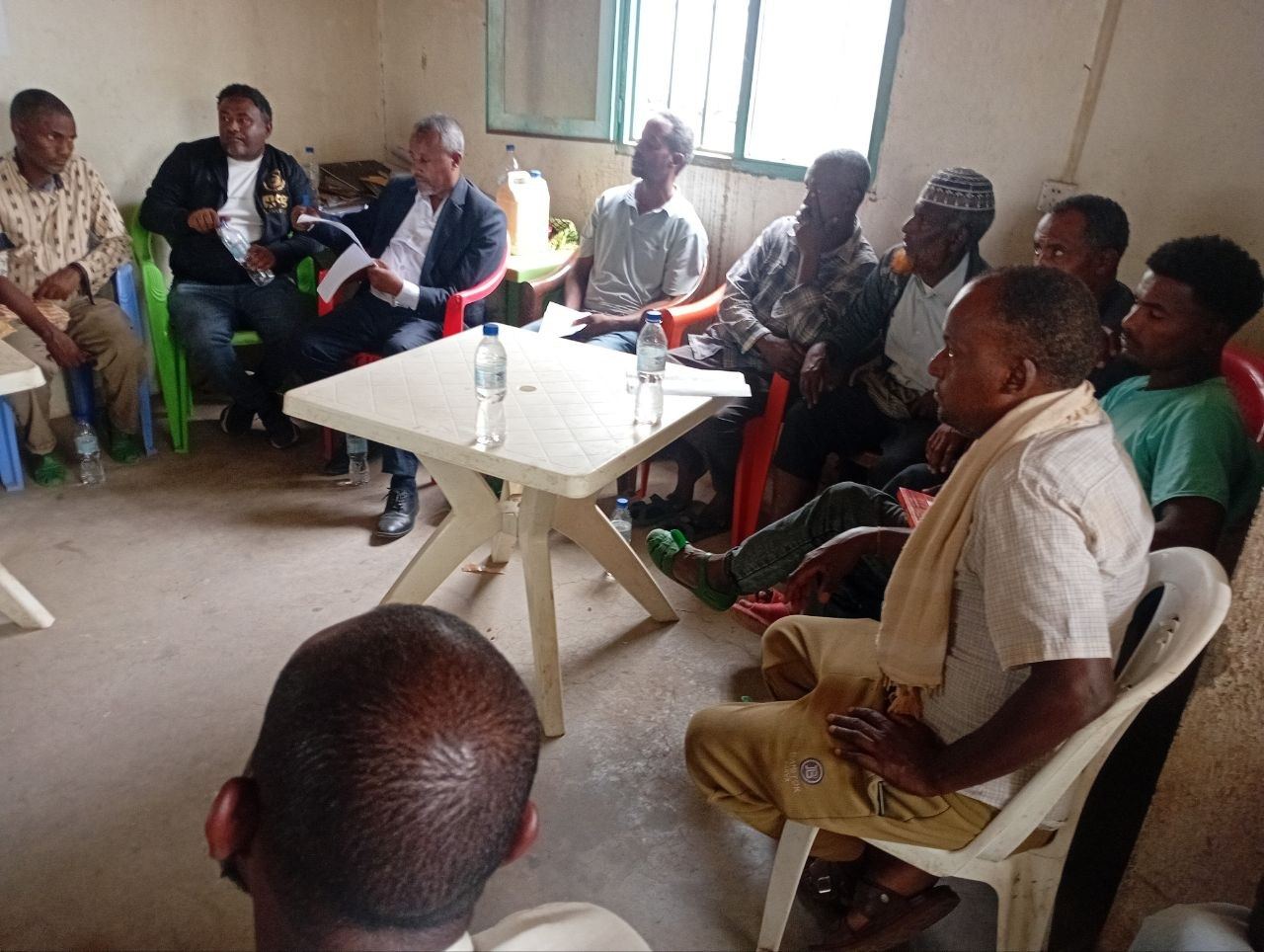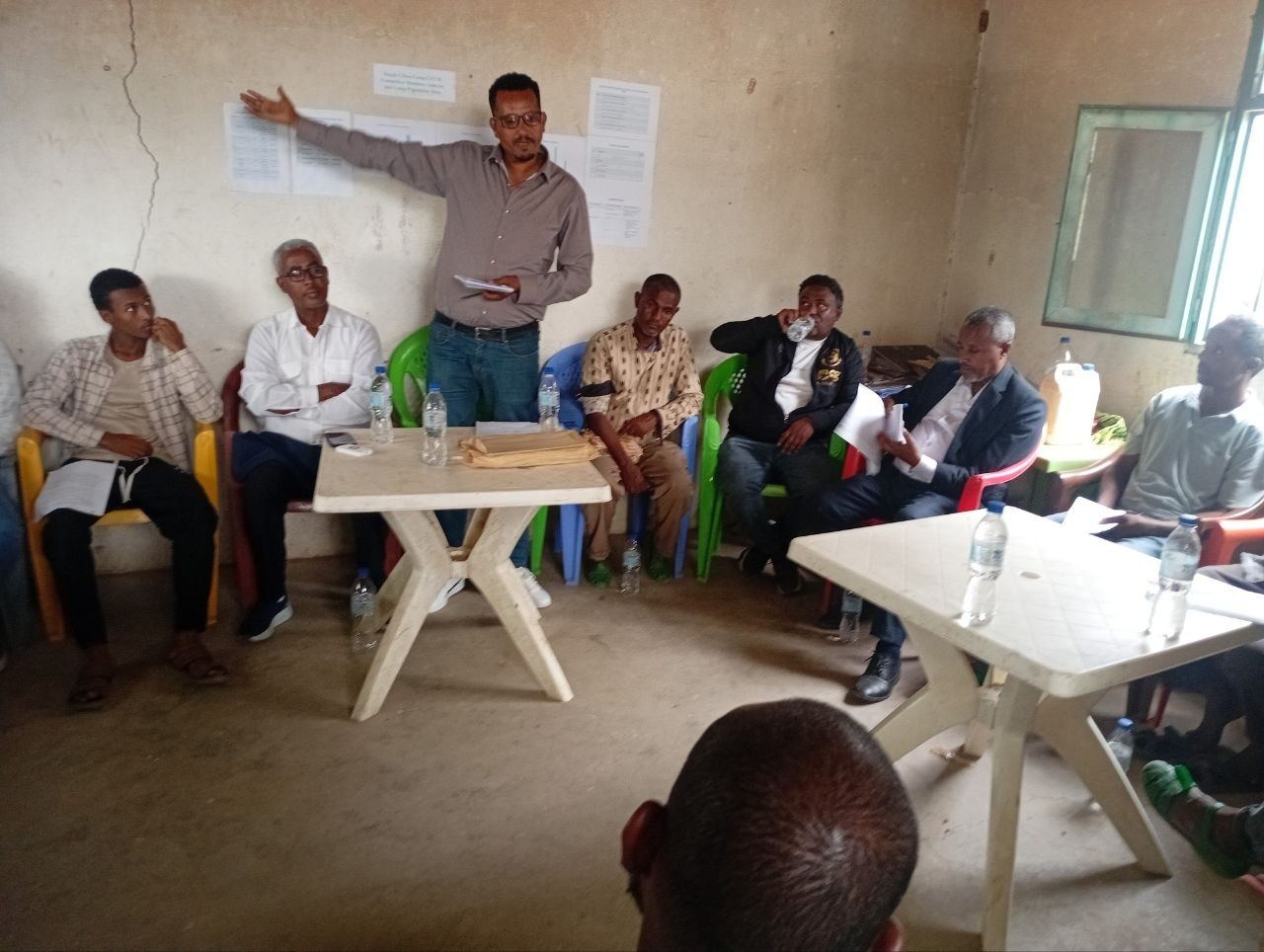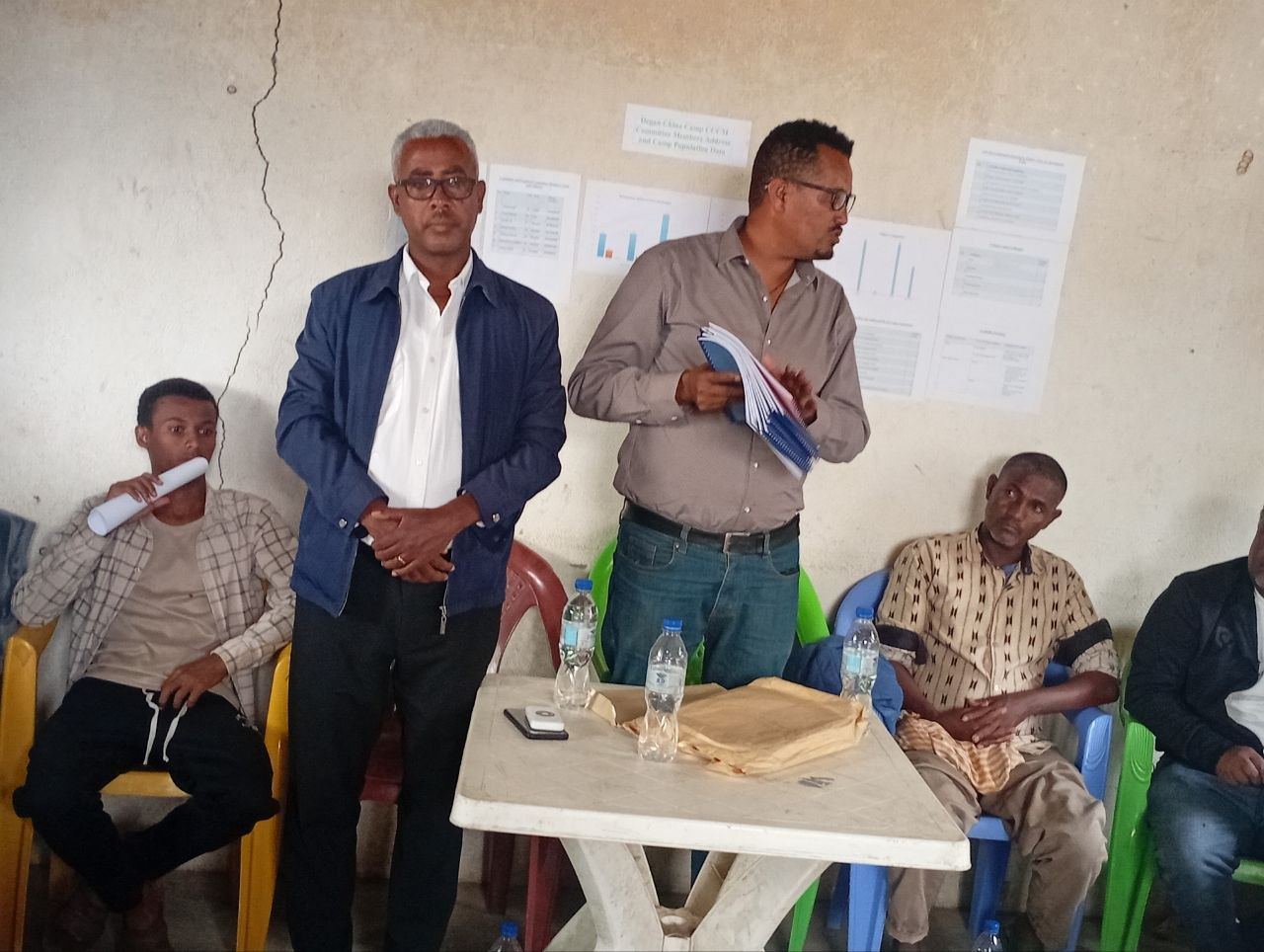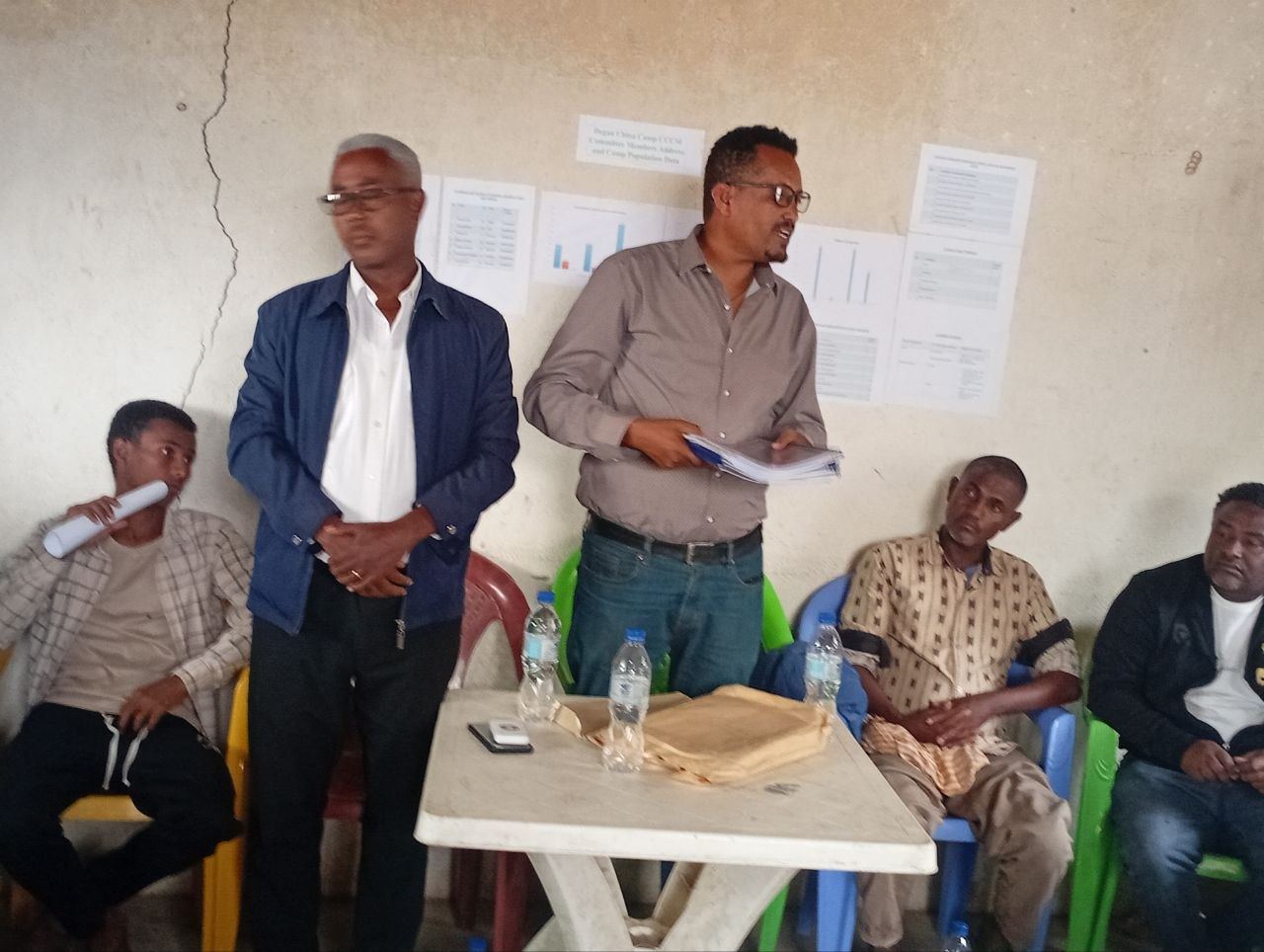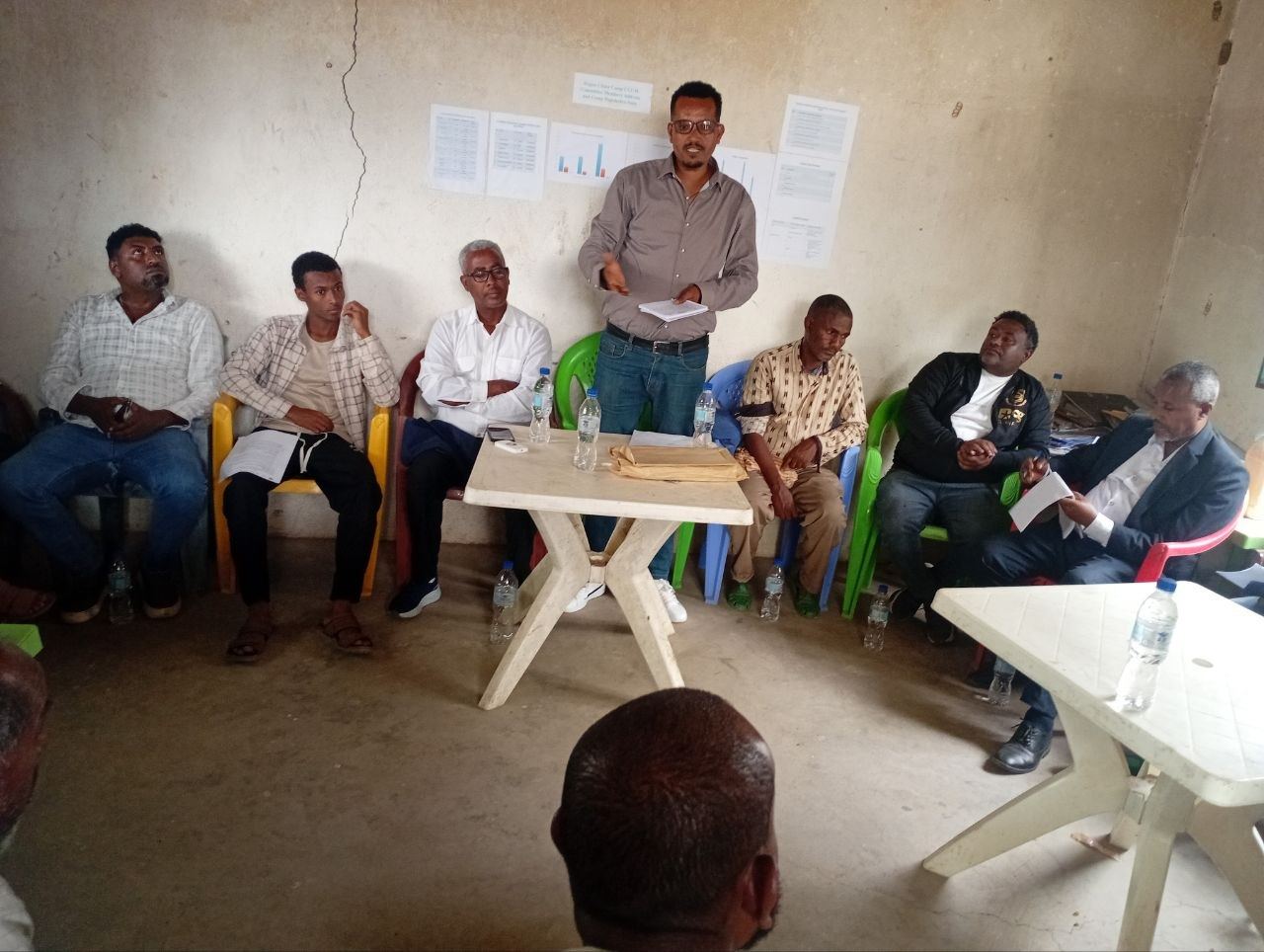
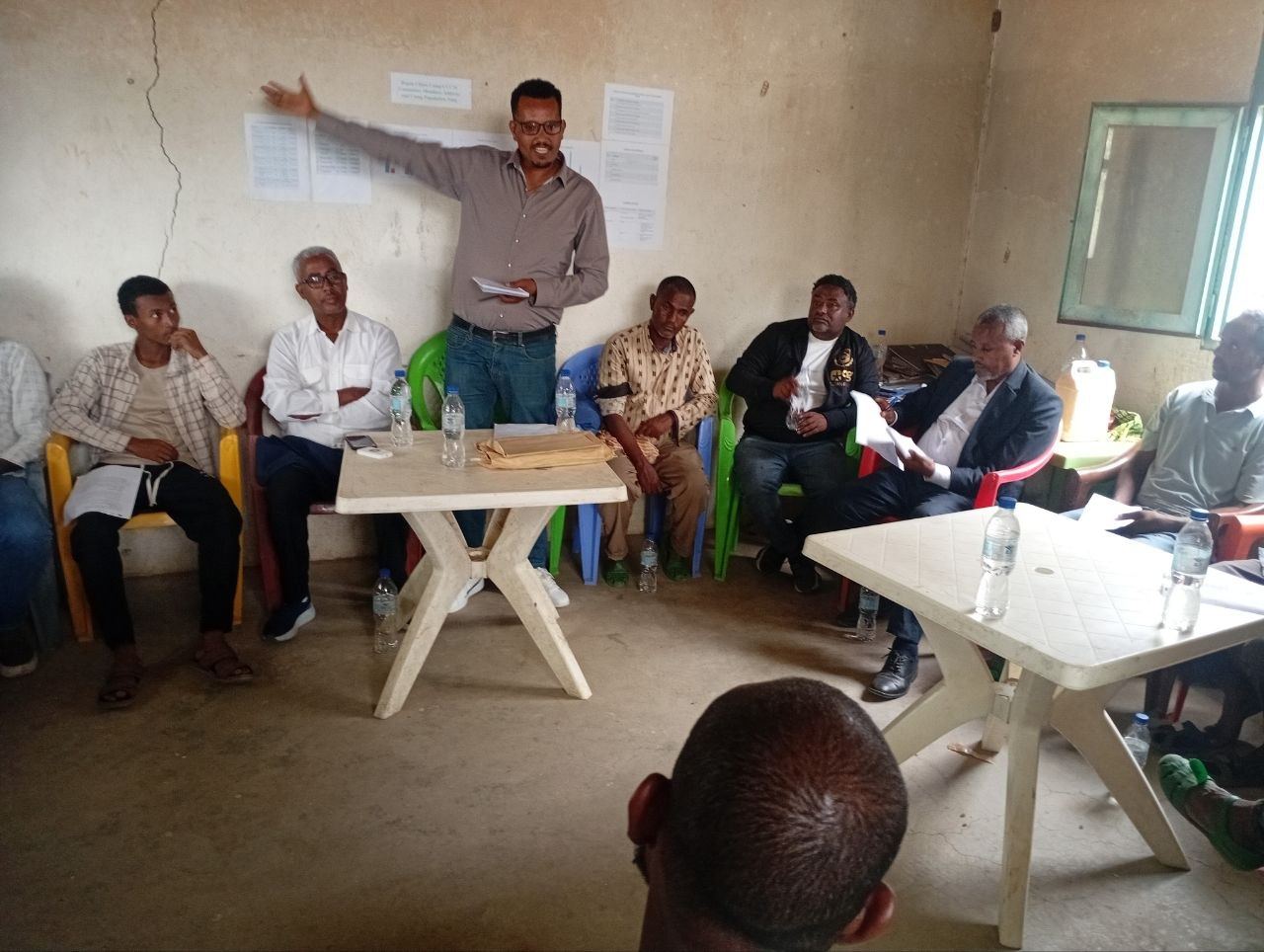
Efforts to prevent Sexual and Gender-Based Violence (SGBV) among children and young people have been strengthened through the distribution of Gender Manuals to two schools located near internally displaced person (IDP) communities.
As part of its SGBV prevention activities, SYGE distributed Gender Manuals to Tinijut Amaba Primary School, located near the Gerado IDP Center, and Arabo Primary School, situated close to the Degan IDP Center. The intervention aims to establish and strengthen school gender clubs that will provide students with opportunities to participate in awareness-raising, peer education, and collective action to prevent SGBV.
The Gender Manual is a key project resource designed to guide schools in organizing and managing gender clubs. It provides practical guidance on student participation, leadership responsibilities, awareness campaigns, gender equality, and mechanisms for reporting and responding to violence. The resource is intended to help schools integrate SGBV prevention into their regular educational and community engagement activities.
The two schools were strategically selected because of their proximity to IDP communities. Through this approach, the project seeks to ensure that both displaced and host-community students have access to information, awareness activities, and safe spaces that promote protection, equality, and respect.
Creating Safe Spaces for Students
The establishment of gender clubs is expected to provide students with safe platforms to discuss issues related to gender, violence, discrimination, and harmful social norms. Through these clubs, students will be encouraged to identify harmful practices, promote positive attitudes, and support their peers in building safer school environments.
The clubs will also encourage students to take active leadership roles as peer educators and advocates for change. By equipping young people with knowledge and practical skills, the project aims to strengthen their capacity to share key messages on SGBV prevention with their peers, families, and surrounding communities.
Strengthening School and Community Engagement
Beyond raising awareness among students, the initiative is expected to strengthen collaboration between schools and the wider community. Gender clubs can serve as a link between students, teachers, parents, and community members in promoting gender equality and preventing violence.
The project also seeks to contribute to a culture in which students feel empowered to speak about protection concerns and understand available mechanisms for reporting and responding to cases of violence.
Building Sustainable SGBV Prevention Mechanisms
The distribution of Gender Manuals and establishment of school gender clubs represent an important step toward institutionalizing SGBV prevention within educational settings. Rather than relying solely on one-time awareness activities, the intervention provides schools with practical tools and structures that can support continued student engagement.
Through sustained support and collaboration with schools, communities, and relevant stakeholders, the gender clubs are expected to contribute to long-term changes in attitudes and behaviors related to gender equality and violence prevention.
Project Outlook
The initiative demonstrates the importance of investing in young people as active participants in community protection and SGBV prevention. By creating opportunities for students to lead awareness activities and support their peers, the project is laying the groundwork for sustainable, youth-led prevention efforts.
Moving forward, continued engagement with school administrations, teachers, students, communities, and other stakeholders will be essential to strengthening the functionality of the gender clubs and ensuring that the initiative delivers lasting benefits.
Overall, the distribution of Gender Manuals to Tinijut Amaba and Arabo Primary Schools marks a significant milestone in the project’s efforts to promote safer, more inclusive, and empowering learning environments for both displaced and host-community students. The initiative reinforces the role of schools as important platforms for protecting children and young people and for building communities free from Sexual and Gender-Based Violence.