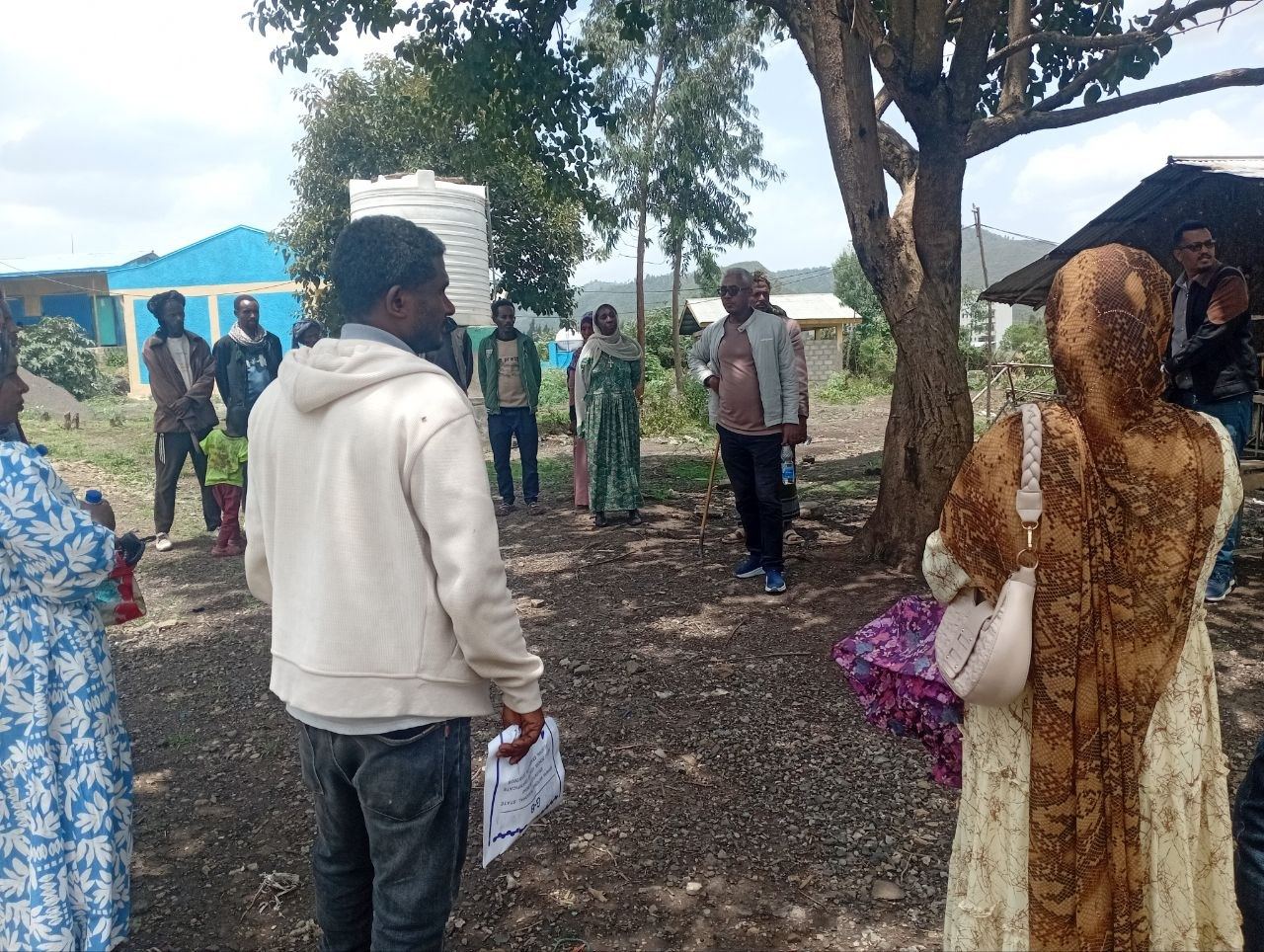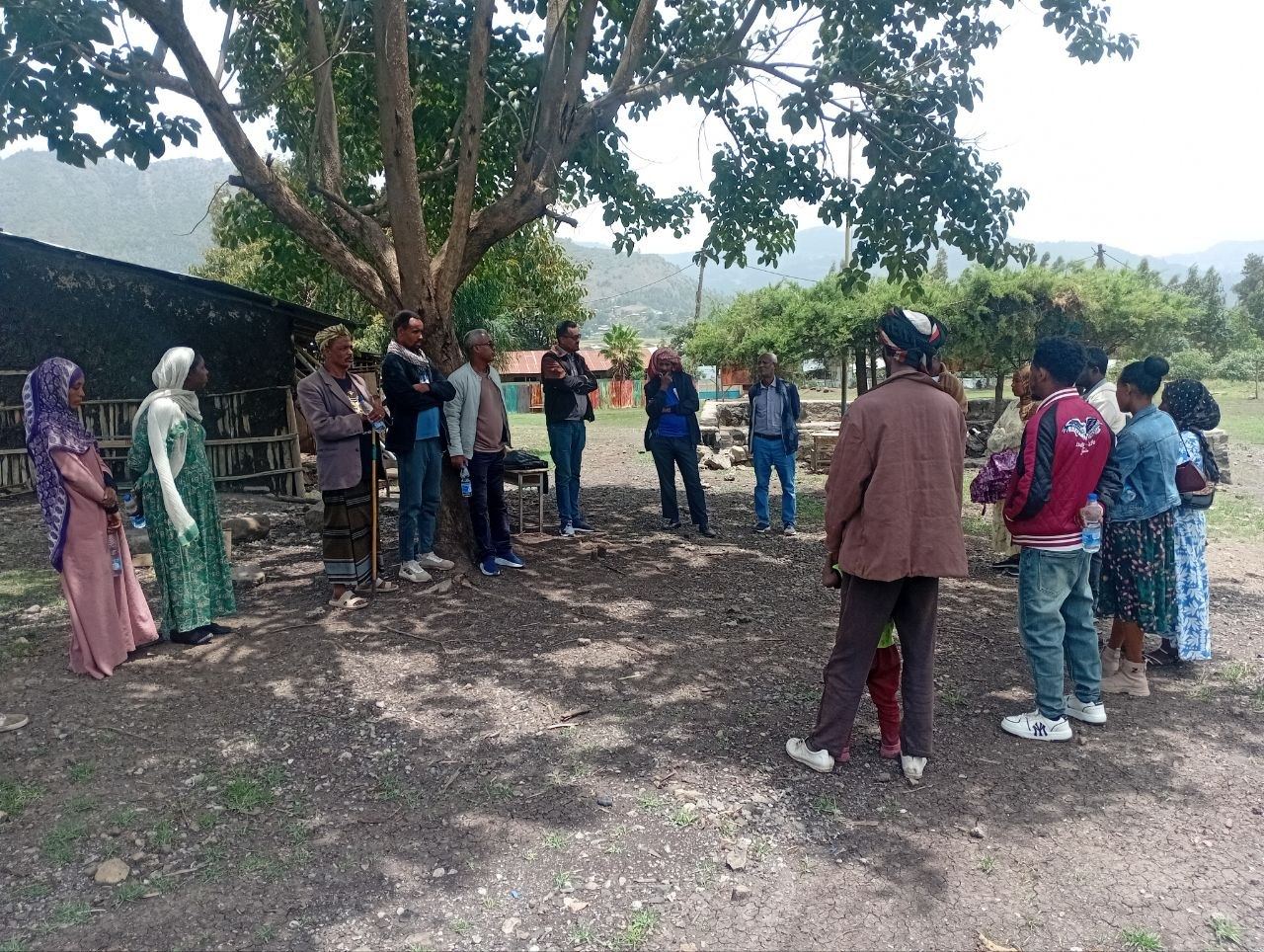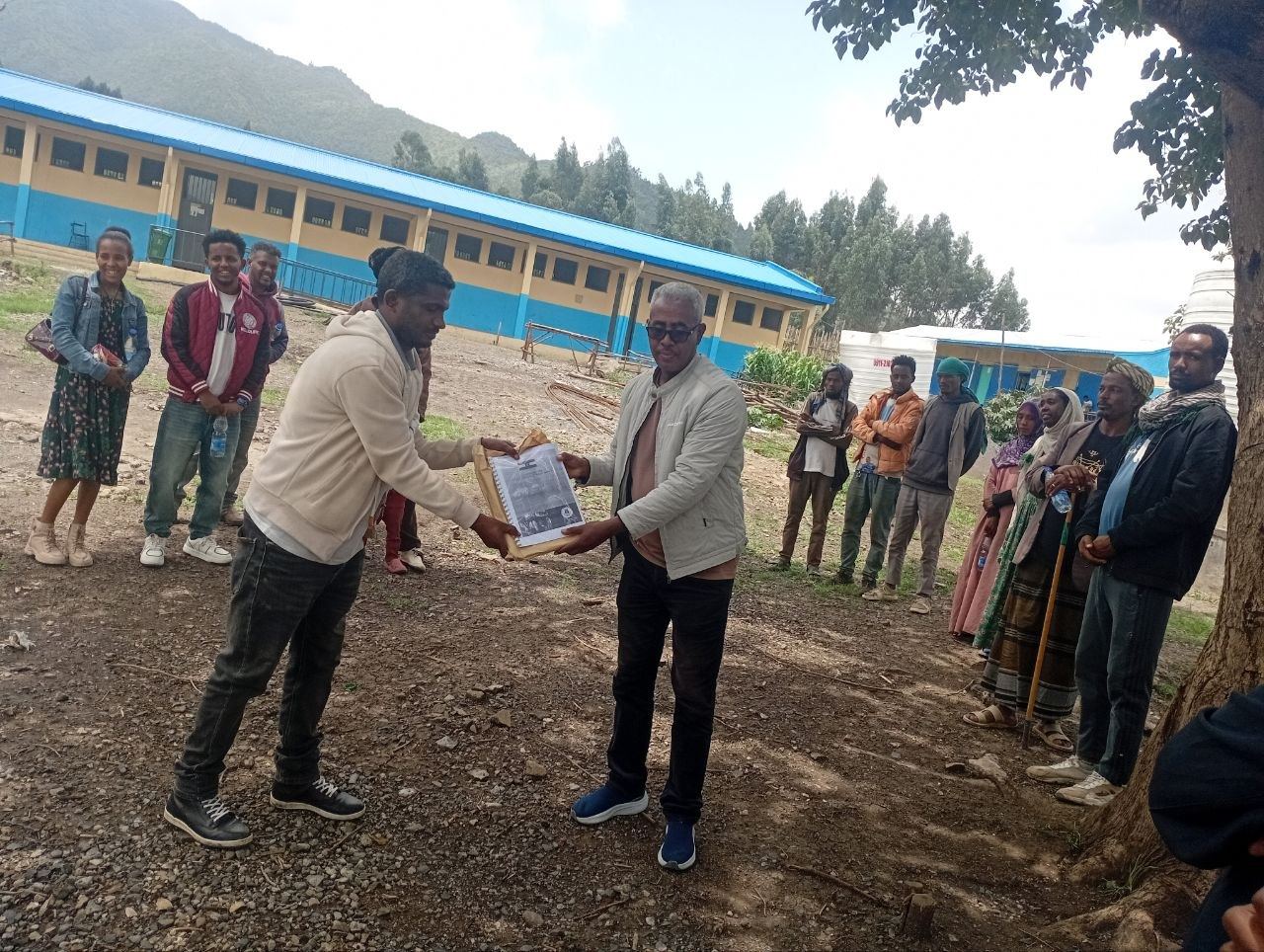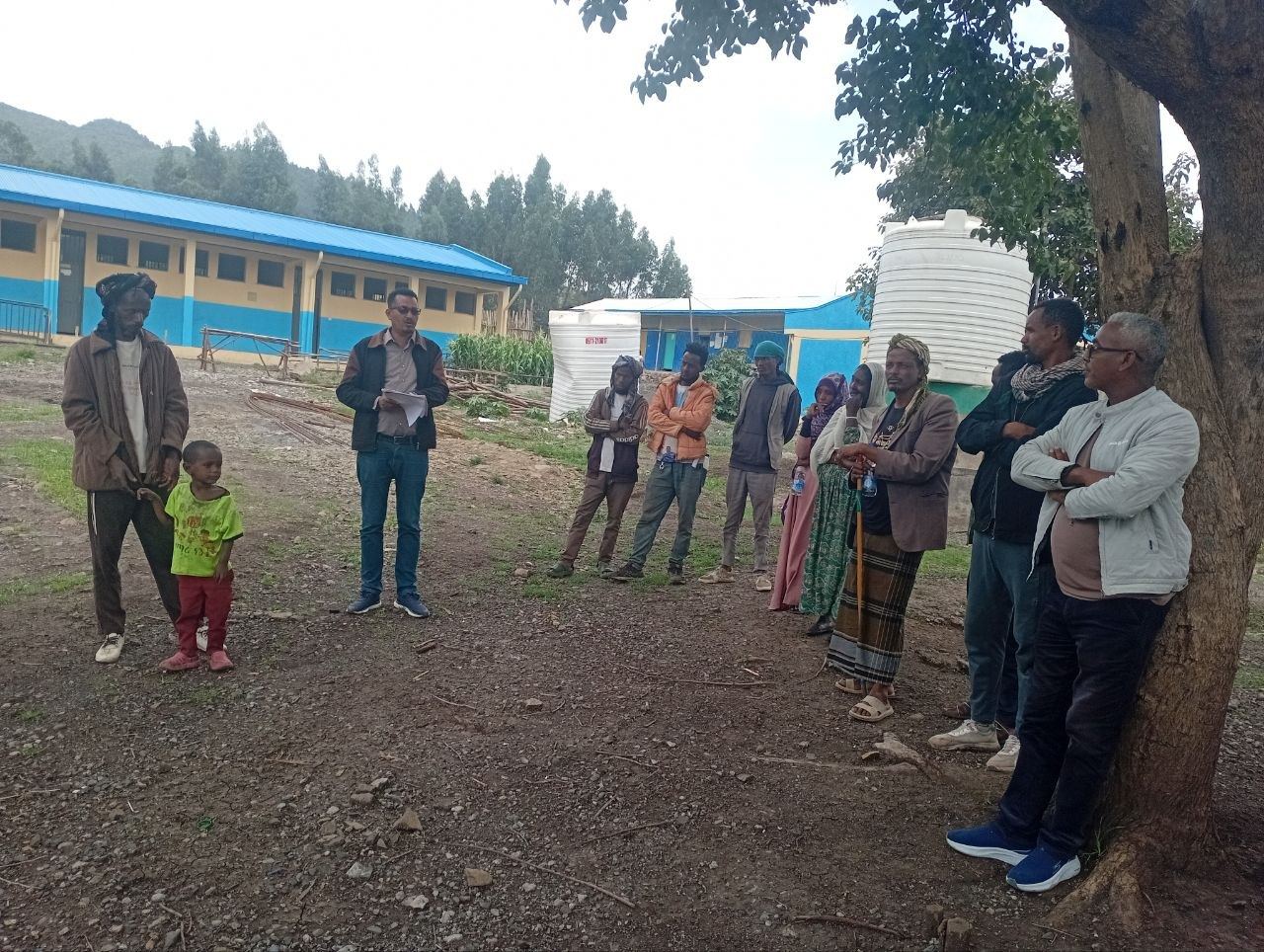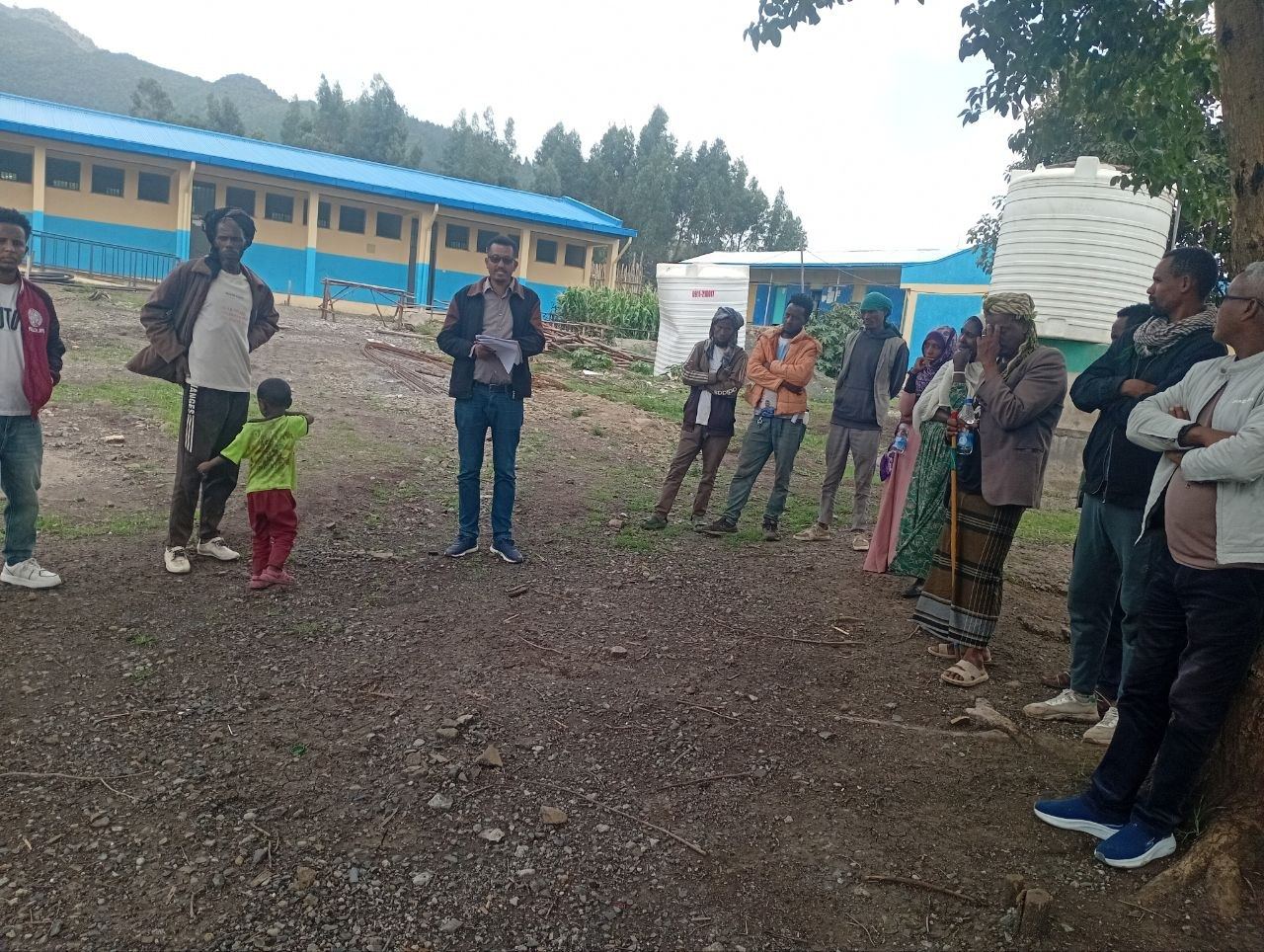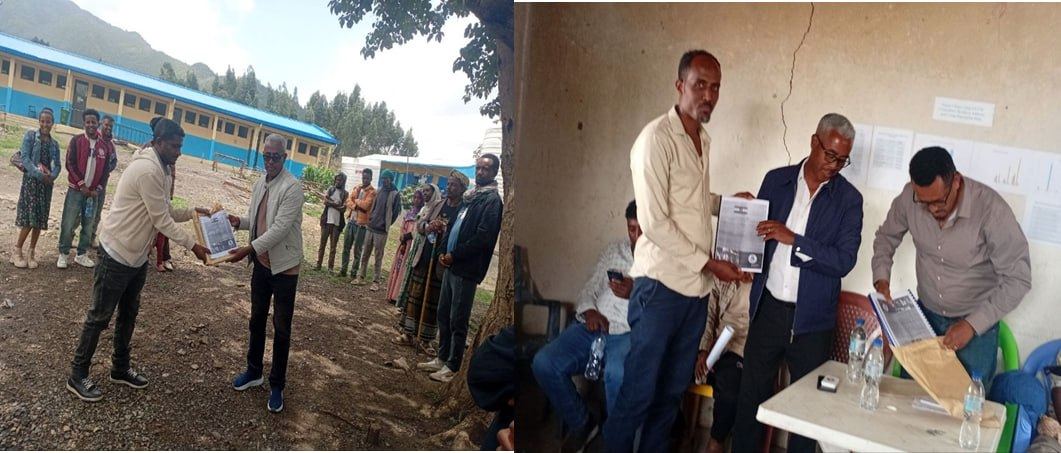
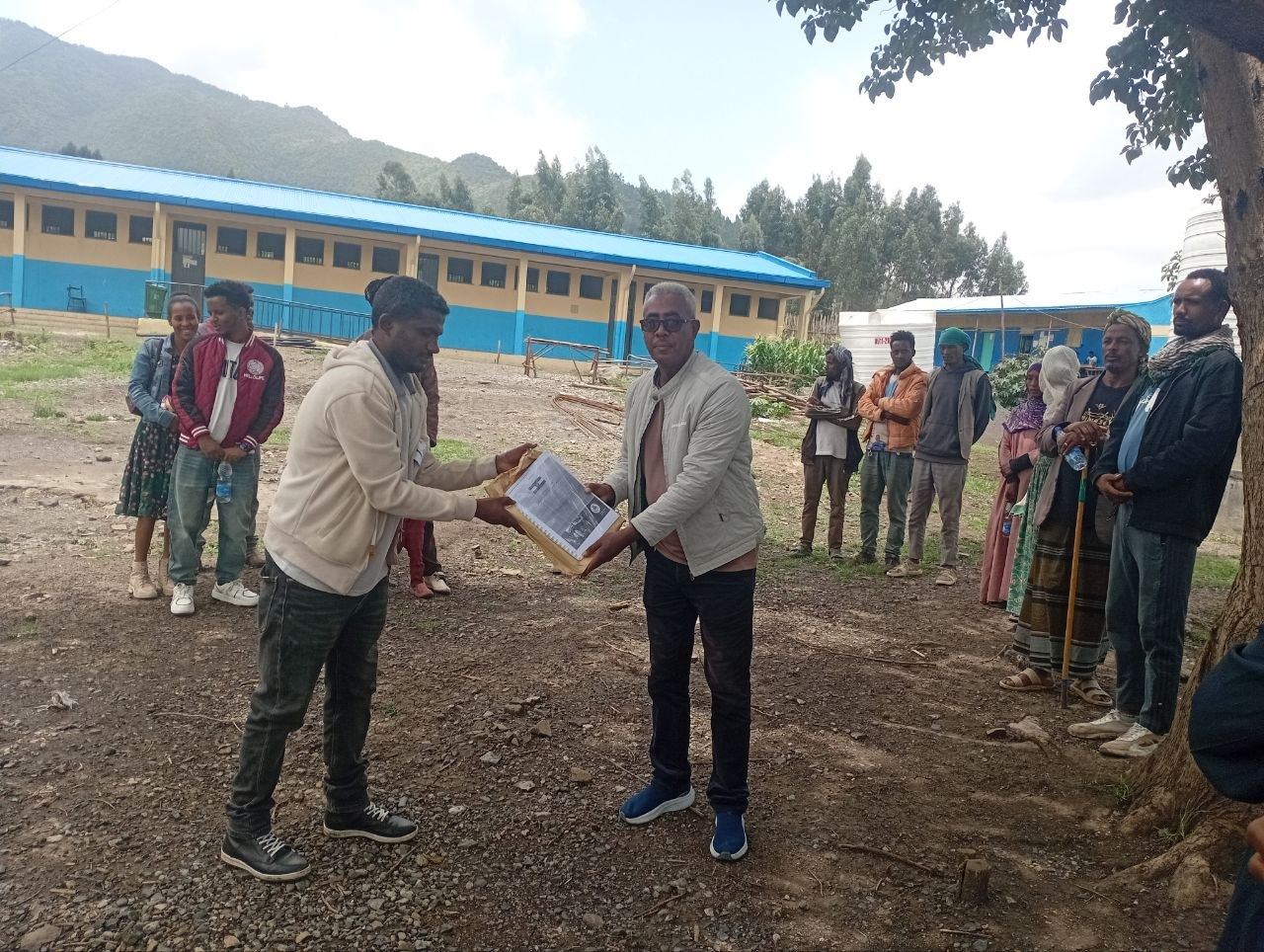
One of the key activities designed to prevent SGBV prevalence was the distribution of Gender Manuals to nearby schools, with the aim of establishing and strengthening school gender clubs. These clubs serve as platforms for students to engage in awareness-raising, peer education, and collective action against SGBV within school compounds and surrounding communities.
The Gender Manual is a pivotal resource, providing structured guidance on how schools can organize and operate gender clubs in alignment with national and community-level efforts to prevent SGBV. It outlines strategies for student participation, leadership roles, awareness campaigns, and mechanisms for reporting and responding to cases of violence.
During the reporting period, manuals were distributed to:
Tinijut Amaba Primary School, located near the Gerado IDP center.
Arabo Primary School, situated close to the Degan IDP center.
These schools were selected strategically due to their proximity to IDP communities, ensuring that both displaced and host community students benefit from the initiative. The establishment of gender clubs in these schools is expected to:
Provide safe spaces for students to discuss and challenge harmful norms.
Promote gender equality and respect among peers.
Strengthen school-community collaboration in preventing SGBV.
Empower youth to act as peer educators and advocates for change.
Final Remark
The establishment and support of school gender clubs mark a significant step toward institutionalizing SGBV prevention within educational settings. By equipping schools with practical tools and structured guidance, SYGE has laid the foundation for sustainable, student-led initiatives that extend beyond the classroom into the wider community. These clubs will not only raise awareness but also foster a culture of accountability, resilience, and empowerment among young people.
In conclusion, the distribution of Gender Manuals and the creation of gender clubs represent a transformative investment in youth leadership and community protection. With continued support and collaboration from schools, communities, and stakeholders, these clubs will serve as catalysts for long-term change, ensuring that schools become safe, inclusive, and empowering environments for all students.